What’s Happening at Galbraith? A First-of-Its-Kind Wood Vault Carbon Trial Begins on Working Forestland
Galbraith Tree Farm, Janicki Logging Co., and Carbon Lockdown are launching the first Wood Vault carbon removal project in Washington.
Visitors to Galbraith Mountain may notice construction signage, work trucks, and forestry equipment near Road 2000 this spring and summer. The activity is part of the Galbraith Carbon Vault Trial, a pilot project designed to test Wood Vault carbon storage in a real working-forest setting.
The project is being developed by Carbon Lockdown, with Galbraith Tree Farm serving as landowner and site host, and Janicki Logging Co. supporting the forestry operations, biomass handling, site work, and restoration.
The initial trial is targeting approximately 2,000 tonnes of CO₂-equivalent carbon removal, completed in two phases. Site staging on May 1, with excavation and burial work began May 11. The first phase is expected to be complete by May 31, and the second phase is expected to be complete by July 30.
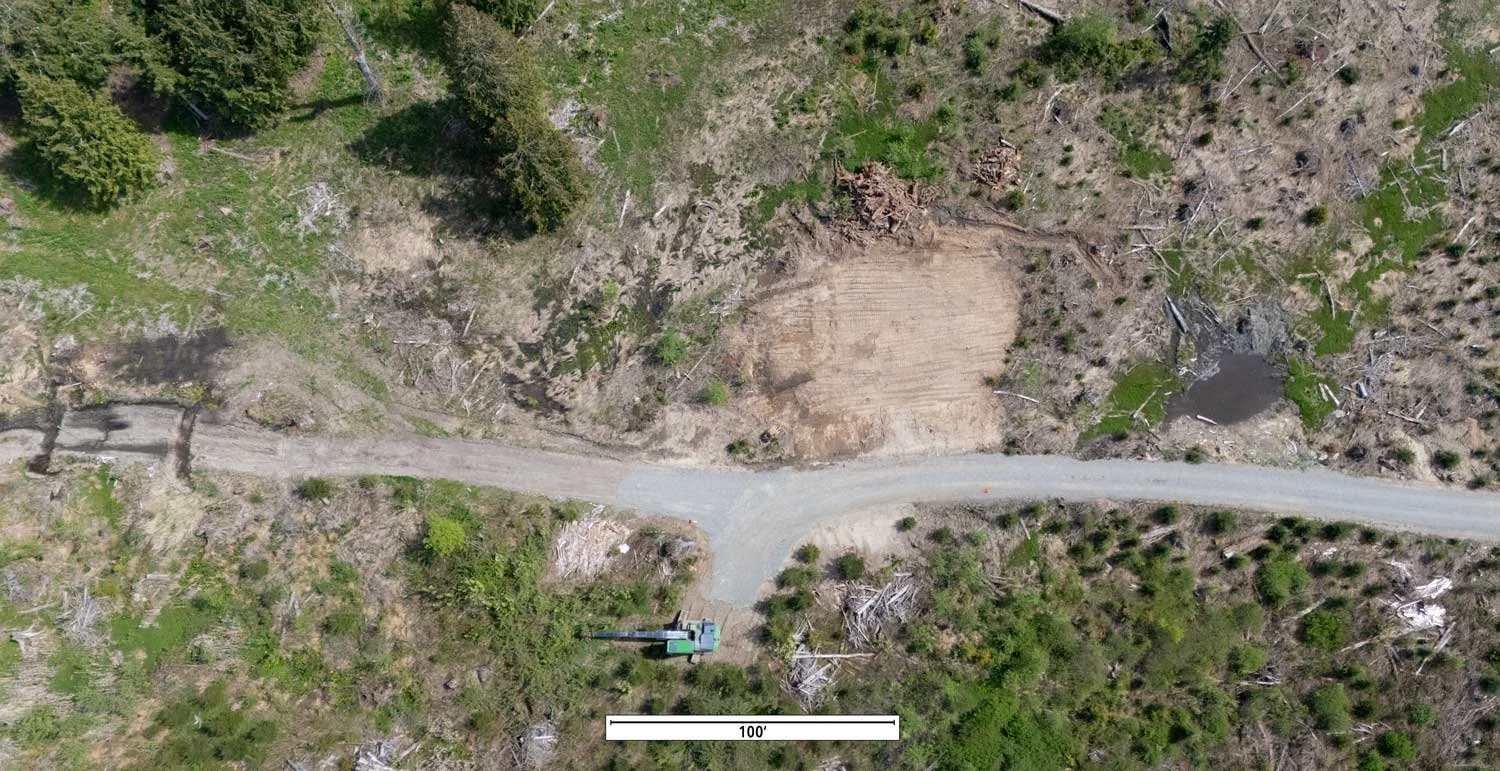
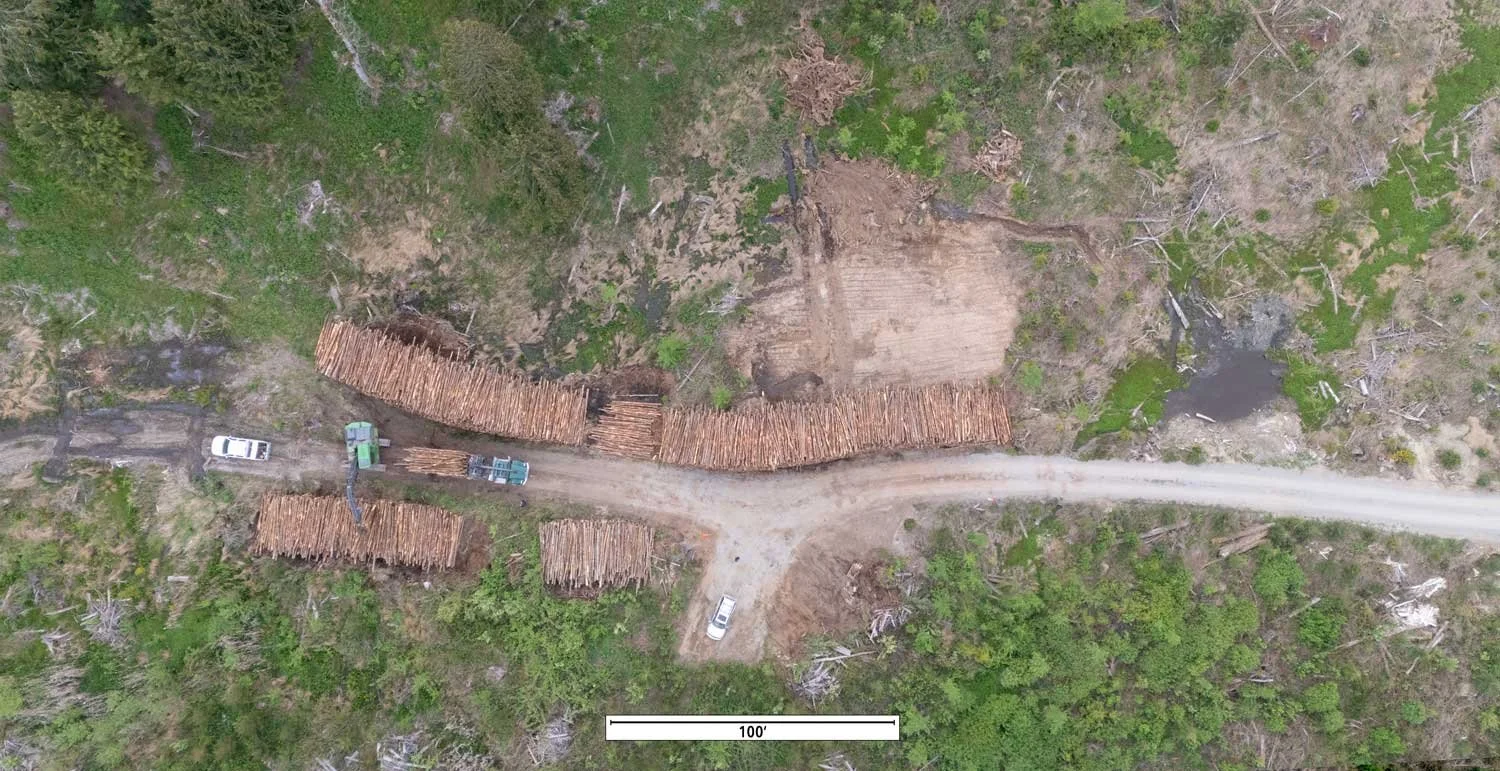
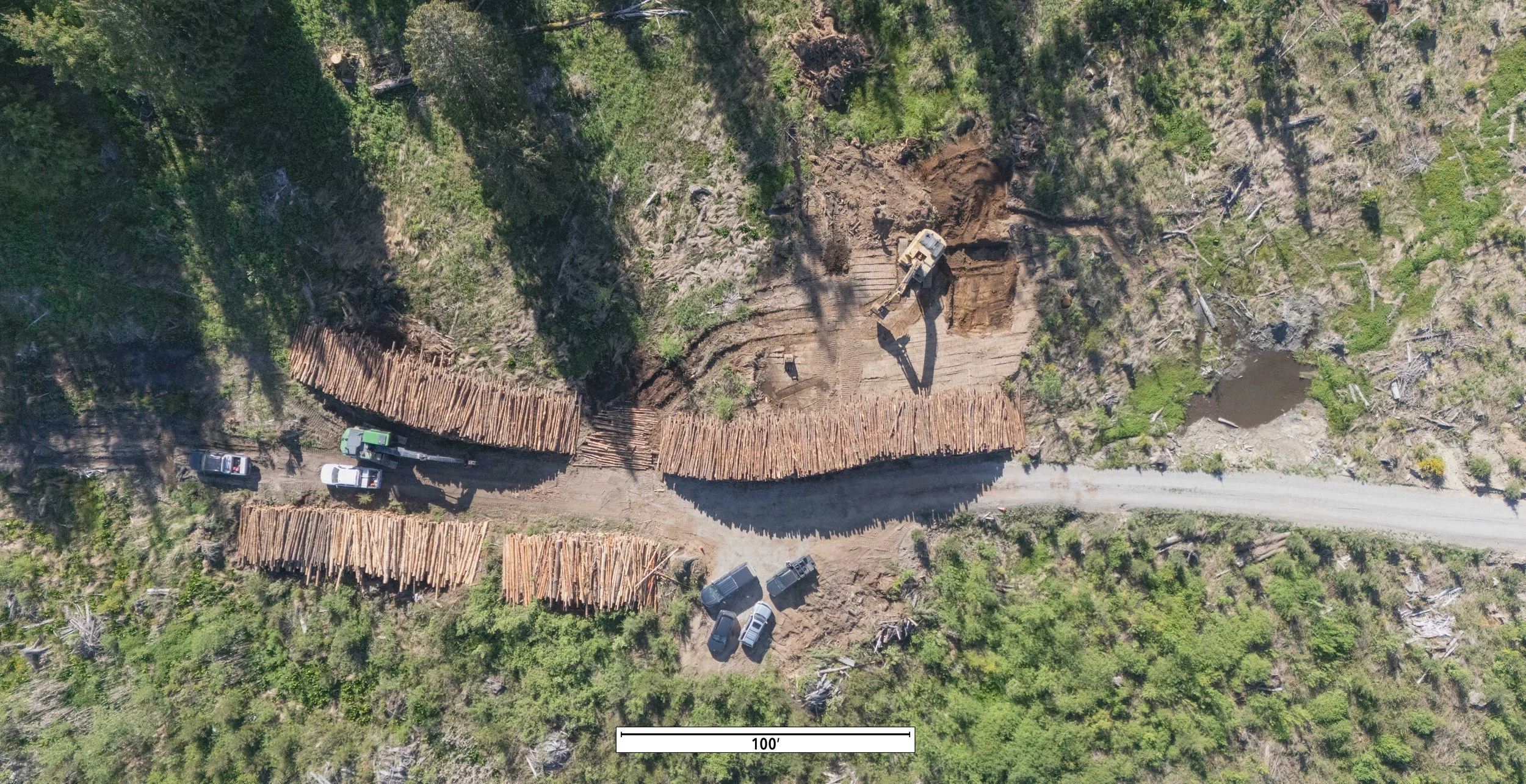
The Galbraith Carbon Vault Trial Site: Before biomass staging began, after biomass staging, & start of excavation.
What Is a Wood Vault?
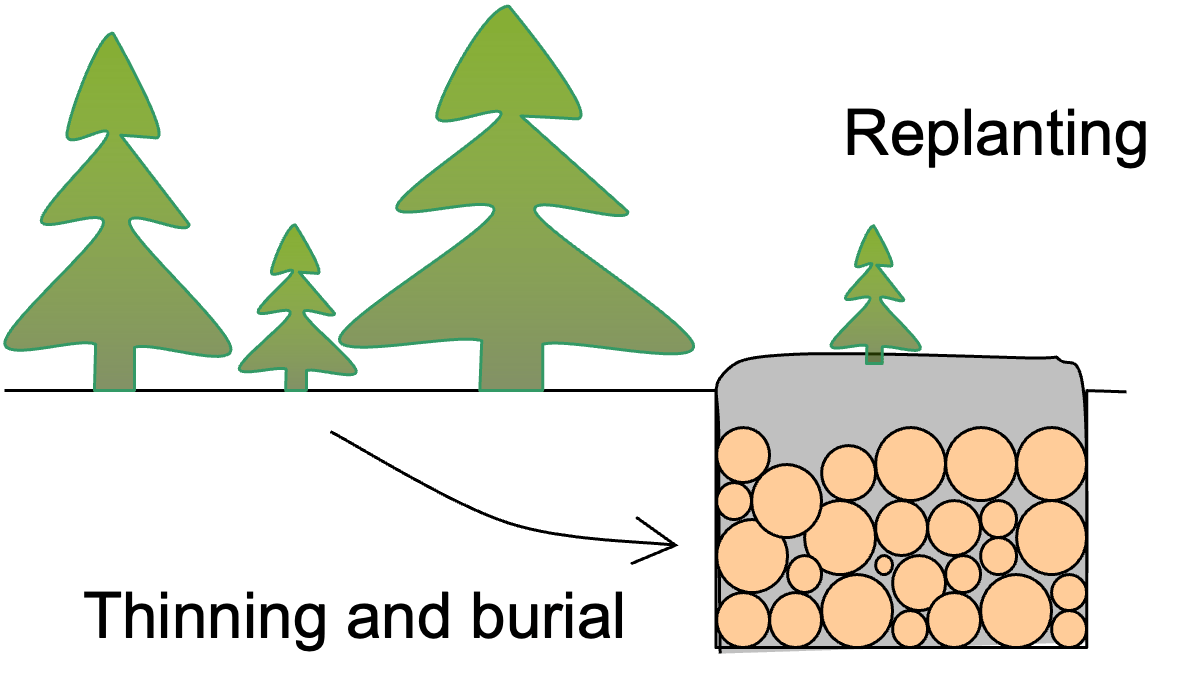
A Wood Vault is a carefully designed underground storage system for woody biomass.
Trees naturally remove carbon dioxide from the atmosphere as they grow. Some of that carbon is stored in the wood itself. When leftover woody material is left to decompose or is burned, much of that carbon eventually returns to the atmosphere.
A Wood Vault is designed to interrupt that cycle by placing eligible woody biomass underground in conditions intended to limit decomposition. In simple terms, the goal is to store carbon in wood for the long term instead of allowing it to quickly return to the atmosphere.
Carbon Lockdown specializes in this type of carbon removal work, including Wood Vault design, carbon accounting, monitoring, and verification. For this pilot, Carbon Lockdown is leading the carbon removal methodology and certification process.
Why Galbraith Tree Farm?
Galbraith is a unique place to test this idea.
It is privately owned working forestland, but it is also one of the most recognizable recreation landscapes in Whatcom County. Galbraith Mountain includes thousands of acres with public access and an extensive trail network used by mountain bikers, hikers, runners, and other outdoor users.
That combination — active forestry, public visibility, recreation access, and long-term stewardship — makes Galbraith a practical test site for a new working-forest carbon storage model.
Galbraith Tree Farm owner Rob Janicki has been focused on shifting the property toward more progressive, sustainable forest management practices. JLC has managed much of the forestland on Galbraith since 2010 and is familiar with the mountain’s terrain, access roads, trail-use context, and forestry needs.
This pilot is another example of Galbraith being used as a proving ground for practical forest-management ideas.
Where Is the Material Coming From?
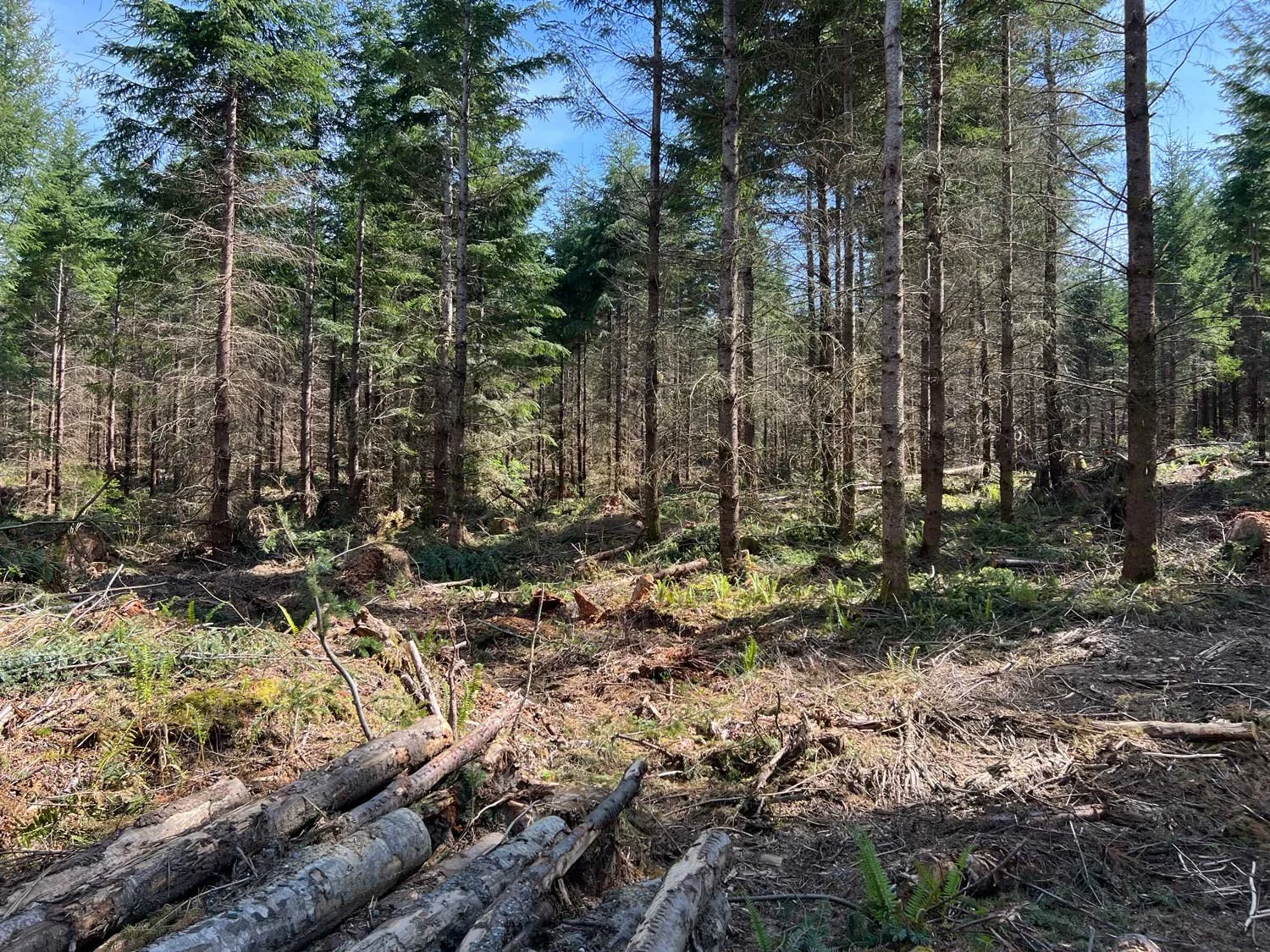
The biomass for the first phase is coming from a recently harvested stand on Galbraith Tree Farm, less than half a mile from the vault site as the crow flies. The logging truck route between the harvest area and the vault site is approximately 1.9 miles.
The material being used is non-sawlog material — harvest residue and non-merchantable logs that would otherwise have been left onsite to decompose or burned.
That distinction matters. This project is not about cutting high-value timber just to bury it. It is about testing whether some lower-value woody material from managed forest operations can be documented, transported, stored, and verified as part of a durable carbon removal process.
How the Galbraith Carbon Vault Trial Works
The project follows a straightforward sequence:
Woody biomass is sourced from nearby managed forestland.
The material comes from a recently harvested stand on Galbraith Tree Farm.The material is staged and documented.
Loads are tracked as part of the project’s carbon accounting and verification process.The vault site is excavated.
The burial area will occupy approximately half an acre near an access spur off Road 2000.The woody biomass is placed underground.
Carbon Lockdown’s Wood Vault approach is designed to store woody biomass in conditions that limit decomposition.The site is capped, restored, monitored, and eventually replanted.
After burial, the site will be stabilized and managed so it can return to working forest cover.
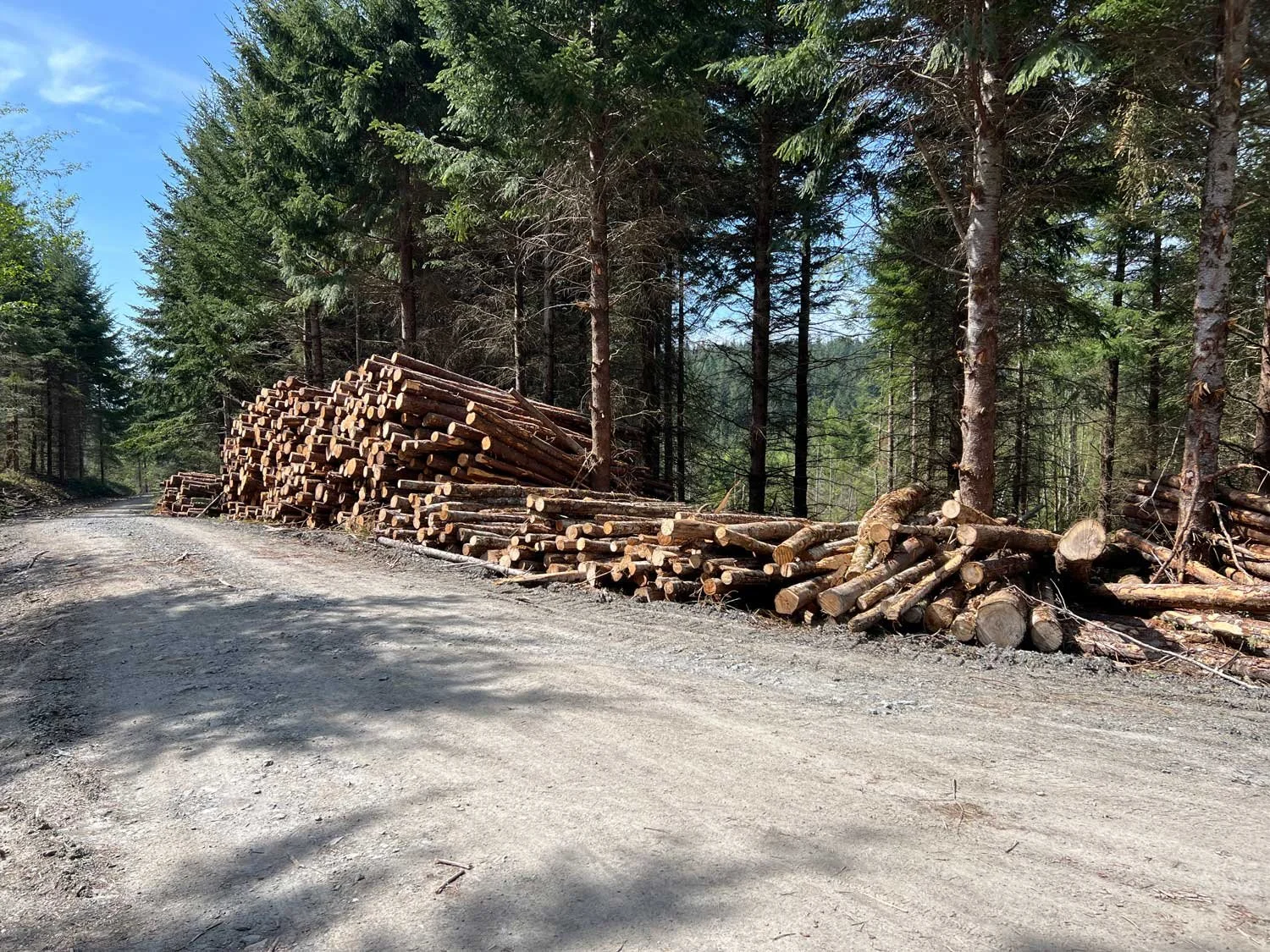
Non-merchantable biomass is being moved from the harvest area to the wood vault site 1.9 miles away.
Biomass transport from the harvest area to the vault site.
What Trail Users Should Know
The vault site is located approximately 0.1 miles up an access spur off Road 2000, in an untrailed area between the Simple Green and Kaiser trails.
The access spur has been improved for the project and will be posted as Closed for Construction during active operations. Passenger vehicles, work trucks, and equipment will be entering and leaving the area regularly.
For trail users, the guidance is simple:
Please follow posted signage, avoid the construction area, and treat the site like any other active forestry work zone.
No long-term trail impacts are expected from the pilot. Any temporary restrictions will be focused on safety and construction access.
Why This Matters
Working forests generate woody material that is not always suitable for lumber or other higher-value uses. In many cases, that material is left to decay or is burned. Wood Vaults may offer another option: using some of that material for long-term carbon storage while creating a potential new revenue pathway for forestland owners.
For JLC, the project is also an opportunity to test how forestry operations, biomass logistics, site preparation, burial work, restoration, and project documentation can come together in a real-world setting.
For Carbon Lockdown, Galbraith provides a practical Pacific Northwest test case for Wood Vault implementation on active managed forestland.
For Galbraith Tree Farm, the project fits within a broader effort to explore forestry practices that support long-term productivity, forest health, recreation compatibility, and climate-conscious land management.
This is a pilot, and the carbon removal claims will be subject to Carbon Lockdown’s accounting, monitoring, and verification process. But if the model proves successful, projects like this could become a practical tool for other forestland owners, conservation partners, and carbon removal buyers.
What Comes Next
The first phase of the Galbraith Carbon Vault Trial is expected to continue through May, with the second phase planned for completion by the end of July. JLC plans to document the project through site photography, drone footage, video, and follow-up articles showing how the biomass is sourced, transported, buried, restored, and monitored.
As the project progresses, we’ll share additional updates explaining each step of the process.
For now, if you are riding, hiking, or running at Galbraith, please watch for posted signs near the work area and avoid active construction zones.
Follow along for future updates as the Galbraith Carbon Vault Trial moves from staging to excavation, burial, restoration, and monitoring.